Month: July 2014

The Bus Drivers’ Home

So while I was walking along the street, hanging out with an old friend who lives in Tokyo with his wife and daughter, I learned some intriguing facts about Japan…lots of stuff I didn’t know. It will probably inspire many future posts…full credits to my Canadian friend who prefers to remain incognito. (Before I forget, he was the one that provided the info about the incinerator down the street and the fact that it only burns garbage at night.)

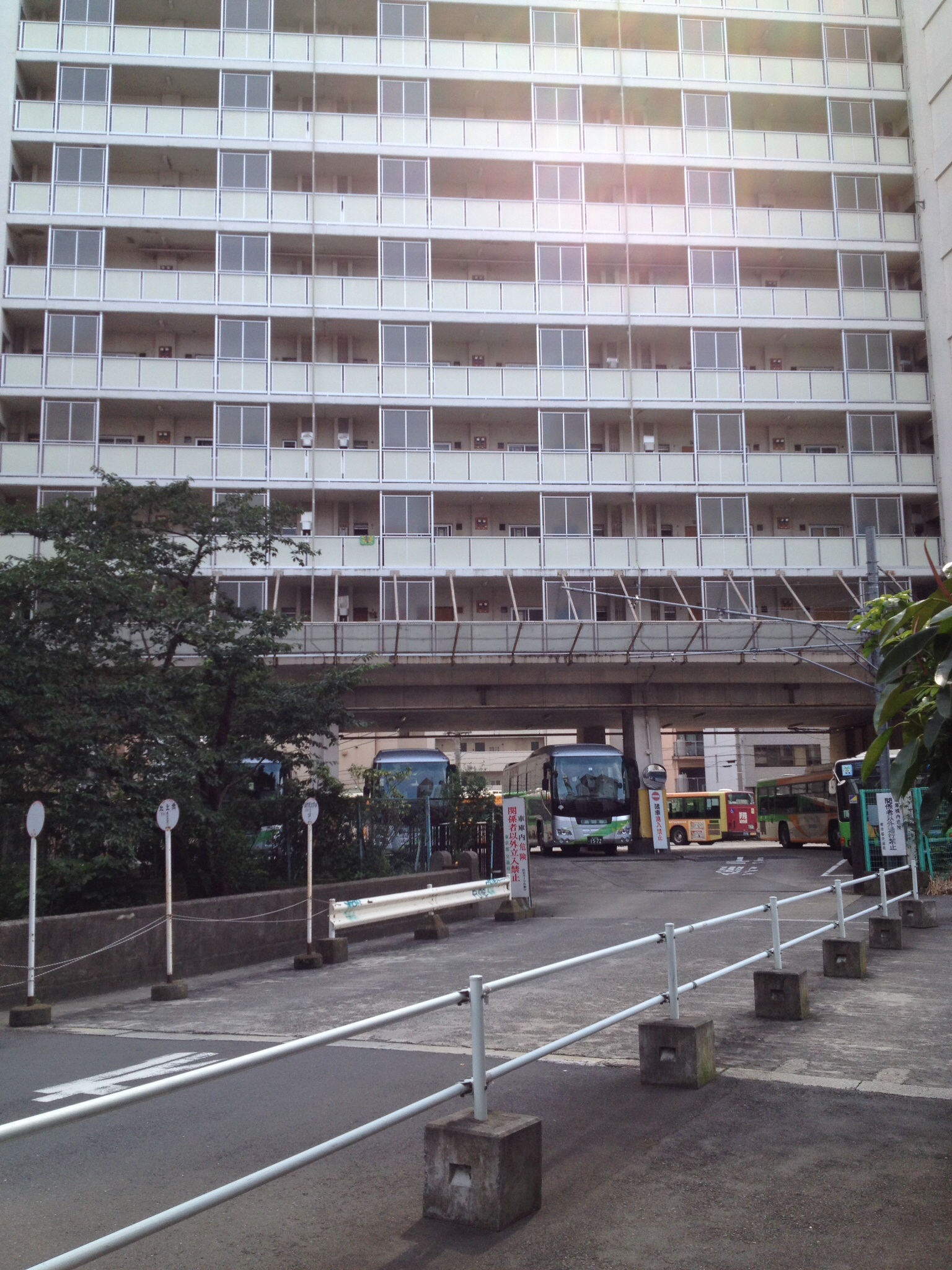
Anyway, we’re walking along the tracks in Shibuya and I see this massive parking lot filled with busses and, curiously, an apartment building right in the midst of all the busses. I made some comment about practical land usage above bus parking lots and he informs me that this is actually a dormitory for bus drivers. I remarked that it was nice of the company to provide housing for its employees if needed, particularly in Tokyo where apartments are so costly. He gave a wry smile and informed me that it was mandatory for employees to live in the communal housing for a number of years. This practice is not unusual and is meant to encourage corporate unity, corporate loyalty, foster relationships amongst co-workers as well as cutting the dependence on mum. I guess it’s like boarding school for adults…

#nocommute #livingwithmycoworkers #imissmymummy

#nocommute #livingwithmycoworkers #imissmymummy #ihaveanadultroommate #companyman

The Art of Re-gifting…

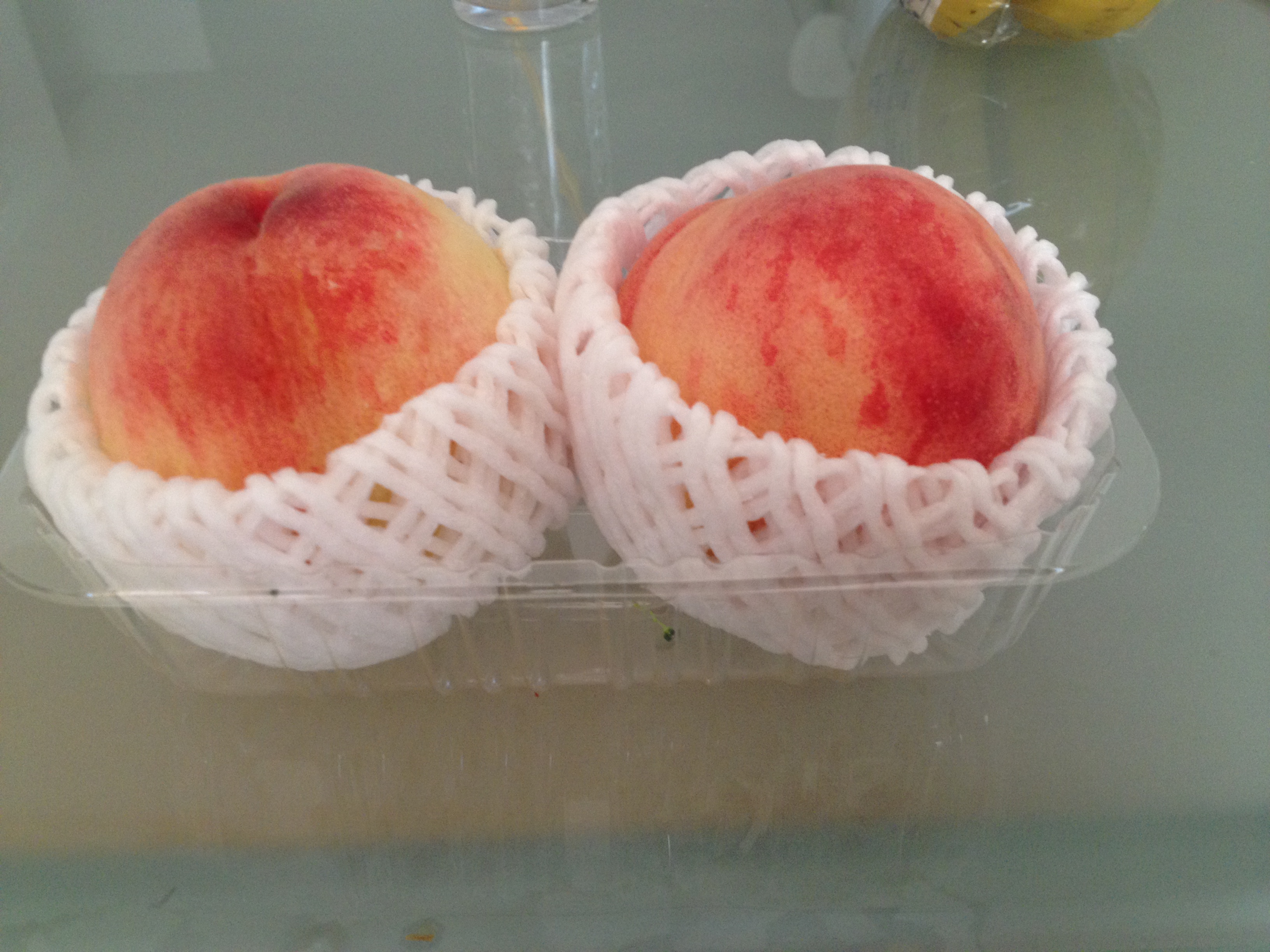
From the gift catalogue at Life Supermarket where I have my bonus card ;-)

From the gift catalogue at Life Supermarket where I have my bonus card 😉

Japan is the land of gifts. The intricacies of gift-giving are challenging for non-Japanese to understand. I hear it’s particularly difficult for business people as a badly wrapped or improperly presented/received gift can derail a relationship. The etiquette is familiar and well-known to Japanese people:

  • OMIYAGE are souvenirs from holidays for friends, family and co-workers
  • TEMIYAGE are thank-you gifts
    • when going to someone’s house for dinner (rare) or, more commonly, to a restaurant as a guest
    • at the beginning of a business relationship
    • to a boss, mentor or co-worker
  • Seasonal OSEIBO are gifts given in December to co-workers, friends and relatives
  • Seasonal OCHUGEN are gifts given in June also for co-workers, friends and relatives

Japanese women give chocolate to men on Valentines Day and receive double or triple their efforts back a month later on White Day. Gifts are not traditionally given on birthdays or Christmas but the infiltration of the Western world has prompted some Japanese people to participate. At weddings, births and funerals people give money in beautiful envelopes wrapped with intricate cord; also children get money on New Years day. Money is also the most common gift for a teacher…something that would not be appropriate for us! (Can you say ‘bribe’.) Money received at weddings, births and funerals is acknowledged/reciprocated by a gift sent by post a month or two afterwards.

Presentation is everything and the wrapping is often more important than the gift itself. I’m pretty sure I was Japanese in my last life as I love wrapping presents. (I could also have been a caterer as I also excel at arranging food on plates.) I digress. If you’re ever presented with a gift from a Japanese person, be sure to accept it with both hands and express gratitude. Don’t open it in their presence as it’s considered rude, this also makes it easier to re-gift if you don’t ruin the packaging 😉 You now have an obligation towards that person …hence the beauty re-gifting. Which is great for non-perishables but doesn’t work so well for melons, meat or flowers.

I just love the fact that you can get beautifully wrapped and nicely boxed canned goods, laundry soap, tomatoes, cans of beer, soba noodles…pretty much anything you can think of. This is so far beyond the typical North American gift of a nice box of chocolates, cookies or fancy tea that you really have to see it to believe it. Many department stores and supermarkets have entire departments dedicated to the choosing, ordering and delivery of gifts. Note that foreigners are not expected to understand or comply by the gift etiquette but if you plan on living here it might be an idea to learn…and bring a few bottles of maple syrup or maple butter (VERY popular) if you’re on your way over.


Reduce, Re-use, Recycle and BURN

TrashTrash is complicated here. Burnables go out on Tuesday and Friday. Weird things that you wouldn’t really think of, are considered burnable. The agency leaves us helpful little signs so we know what’s what: food, old sandals, bento boxes, plastic bags, plastic bottles (yep) and used chopsticks. The recycling (separated by category) goes out on Wednesday morning: bottles and jars, hairspray aerosol cans,  magazines and newspapers and tin cans. Unburnable things smaller than 30 cm go out on the first and third Wednesday and include: broken bowls and cups (even if they’re glass), batteries, light bulbs and lighters. Not sure what happens items bigger than 30cm but I suspect they go out on the garbage day that we all used to look forward to when I lived here as a bright young thing in the 90s. I think this was the day that people left out GREAT stuff that was barely used that we would scavenge. We got a TV. Seriously. The remote was nicely taped to the top. Not a junker either…I don’t think the model they disposed of was even available in Canada yet. Housing is expensive so most people rent therefore they have a fair amount of disposable income so they buy the latest greatest stuff. But that’s another story. We also got a rice cooker, a new futon in the package, dishes, a table, a bike and a chair. I saw a bread maker on the street last Wednesday so I suspect that is when you get rid of big stuff. Maybe we’re not allowed to or maybe they just assume we don’t have anything that big.

The amount of packaging used is much less than it was in the 90s. Things used to be wrapped like crazy. For example, if I bought a bun from the bakery (one bun), it would be put on a small cardboard tray with a doily and a napkin, then into a small box, then into a carrier bag–sometimes with tissue paper. You could not sway them from this procedure and I even spoke Japanese then. When I moved into in the city (Gotanda, the armpit of Tokyo) there was another foreigner I would see at the supermarket who used to bring her own shopping bags (remember this was 1991) and the cashiers did not know what to make of her. They treated her carefully, like she was an unpredictable nut job that would potentially destroy the social order.

In terms of recycling and package, there have been improvements twenty-three years later. I’ve noticed that the packaging is less, I even get bonus points on my supermarket card if I bring my own bags! However, there is still an awful lot of garbage and some changes will be a long time coming: they still offer plastic umbrella bags at every store which you are expected to use when it rains.

Where, you may be wondering, do they actually BURN the trash? It would appear that there is an incinerator just down the street from us. In fact, I can see it now from where I sit. Though this is obviously an environmental faux pas, what choice do they have really? They probably don’t have room for landfills…. They could recycle the plastics and I’m not sure why they don’t; they could cut down on packaging; they could eat fewer packaged foods. To be fair to the Japanese, they do have an awful lot of people to contend with and they do have some time-honoured traditions that are VERY eco-friendly. The bento box, for example, used to be made of lacquerware (now mostly plastic) and is re-used every day. A large cloth called a furoshiki is used to wrap up your lunch or other items. Children are often given a cloth napkin in their fabric lunch bag. Kimono are handed down for generations. I have confidence the Japanese will come up with a solution.

This pile is of our ‘burnables’ since Friday. That’s for four people, one of whom left on Sunday. Not big eaters and the girls eat our at least one mean per day so I imagine for a family it would be a lot more. Note the lovely shot of the incinerator in the setting sun…they burn the garbage at night so as not to remind people….
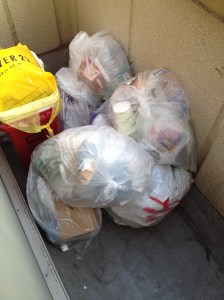
Trash Incinerator

Old Men on Sunday morning

Horse racing menI was heading to my long-awaited pedicure this morning in Harajuku walking along Meiji-dori to Shibuya station when I noticed something odd: scores of older men walking purposefully away from the station. When I say purposefully, I mean with intent. Bright-eyed and bushy-tailed. Some obviously retired blue-collar workers. Others perhaps ‘salarymen’ and a few old drunks clutching their jars of sake or plastic bottles of Jim Beam. All with newspapers and most with the ubiquitous Japanese man-purse or zippered pouch. I followed them. It was just after 9am and I figured I had a bit of time (only had to go one stop on the Yamanote Line) to get to Harajuku by 10am. They were streaming towards a place called WINS. I figured it was some sort of casino or pachinko parlour (weird Japanese pinball game that I still haven’t figured out) but there was no music or flashing lights which are always found with pachinko. Anyway, I didn’t have time to actually go inside, not that I would have as there was nary a female in sight.
Fast forward to my lovely pedicure with Minami at Boudoir Tokyo’s first bi-lingual salon. We’re chatting away and it turns out she lives in my neighbourhood so I asked her about the old men heading to WINS. She was puzzled at first but then understanding dawned. “Horses,” she said. “They play, you know, for money. Racing.” Ah yes, it all became clear. The newspapers were the racing sheets and the old dudes were off to place their bets and hang with their buddies. They’re likely sent out of the house by their wives who often find their husband’s retirement a difficult adjustment since a typical employee works six days a week and sleeps on Sunday, leaving the household and family management completely up to the wife. (Yup. The apron-wearers control the money.) However, the wives often become naturally resentful when the absentee husband is suddenly home ALL the time taking up space, demanding food and generally cramping her style after never being around.
By the way, I don’t think there are actual horses IN that building in the middle of Tokyo, but I’m going to check it out next Sunday 😉
Gomi-bakko = old retired men that clutter up the house and get in the way; literally “old garbage.”


Shaking Earth…

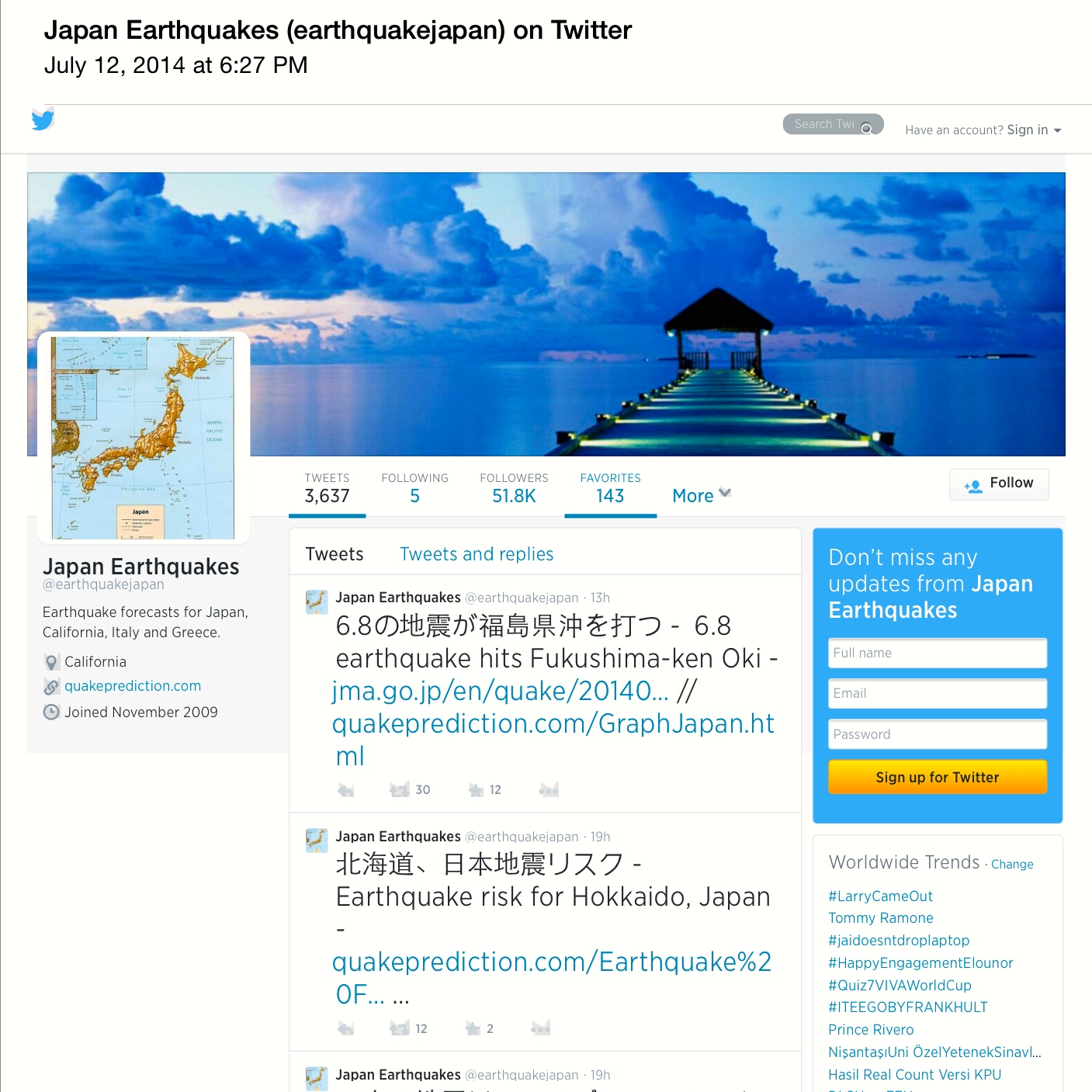
earthquakeSo Karis and I were woken up today by the earthquake. The second one we have had. Last Saturday morning was just mild swaying…sort of like being on a boat. Karis didn’t even wake up. This morning’s event woke us both up from a sound sleep and lasted a little longer. There was a siren and an announcement over some sort of loudspeaker in the neighbourhood, which, of course, we couldn’t understand 😉 Then it ended and we went back to sleep.

I remember my first earthquake in Japan…23 years ago. Things actually fell off shelves. My roommate and I ran out into the middle of the street. No one was there. No siren. There was another one while we were out there in the middle of the road, in the middle of the night. No one even turned their lights on! Our apartment was old and it sort of swayed and rocked with the movement of the earth. We did get used to them…they happened almost weekly.

Apparently the apartment we live in now pretty safe though the girls tell me the apartment in Asakusa is better and you can’t even feel them there. I read a blog on what to do when an earthquake happens written by a foreigner living in Japan (http://www.thejapanguy.com/earthquake-safety-10-things-to-do-during-an-earthquake/). Apparently we’re supposed to stay indoors and know where there are flashlights (nope) and have a first aid kit (yep) and follow the instructions from a battery-operated radio (maybe?). Oh yeah…and don’t panic 😉

Car Culture

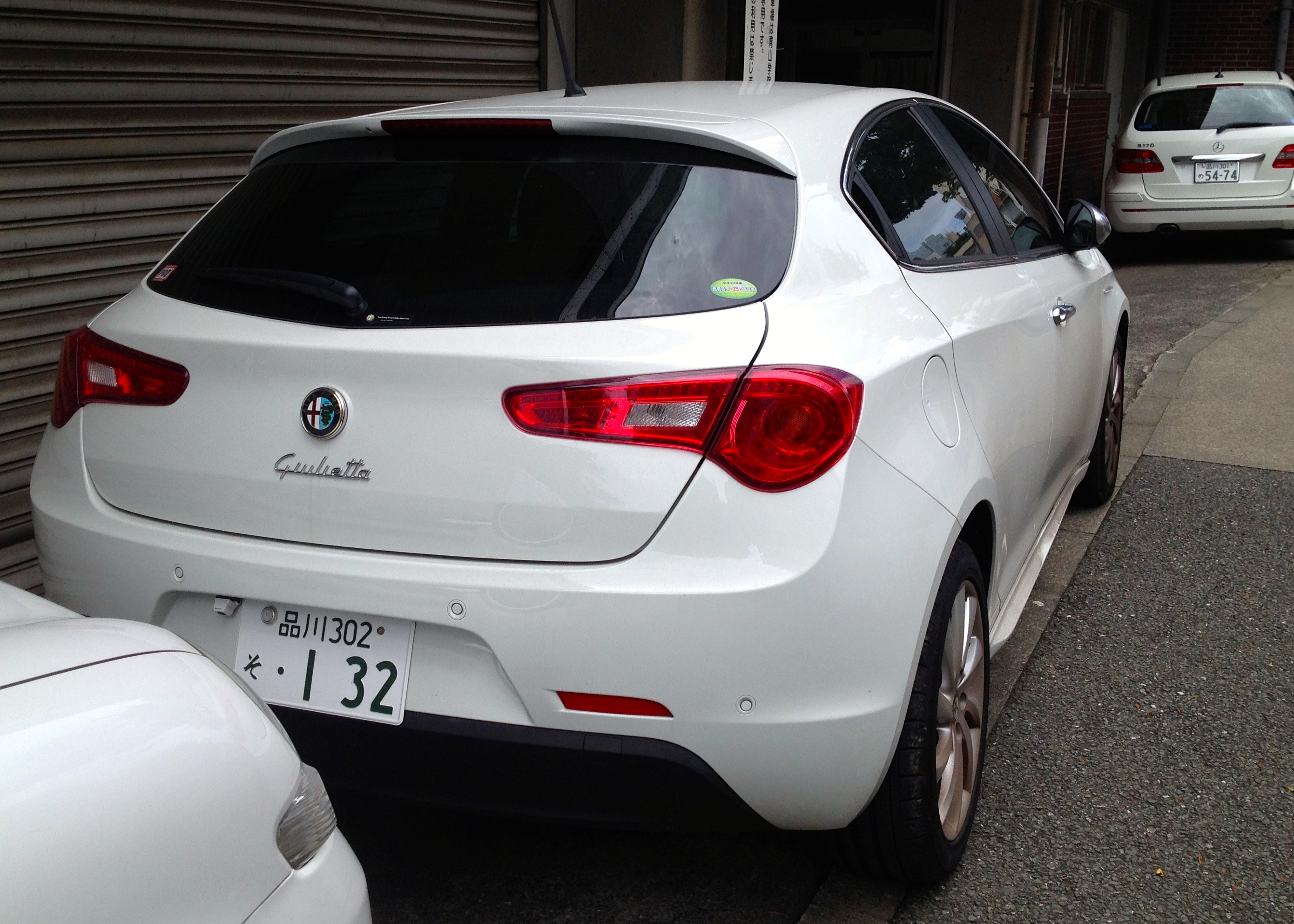
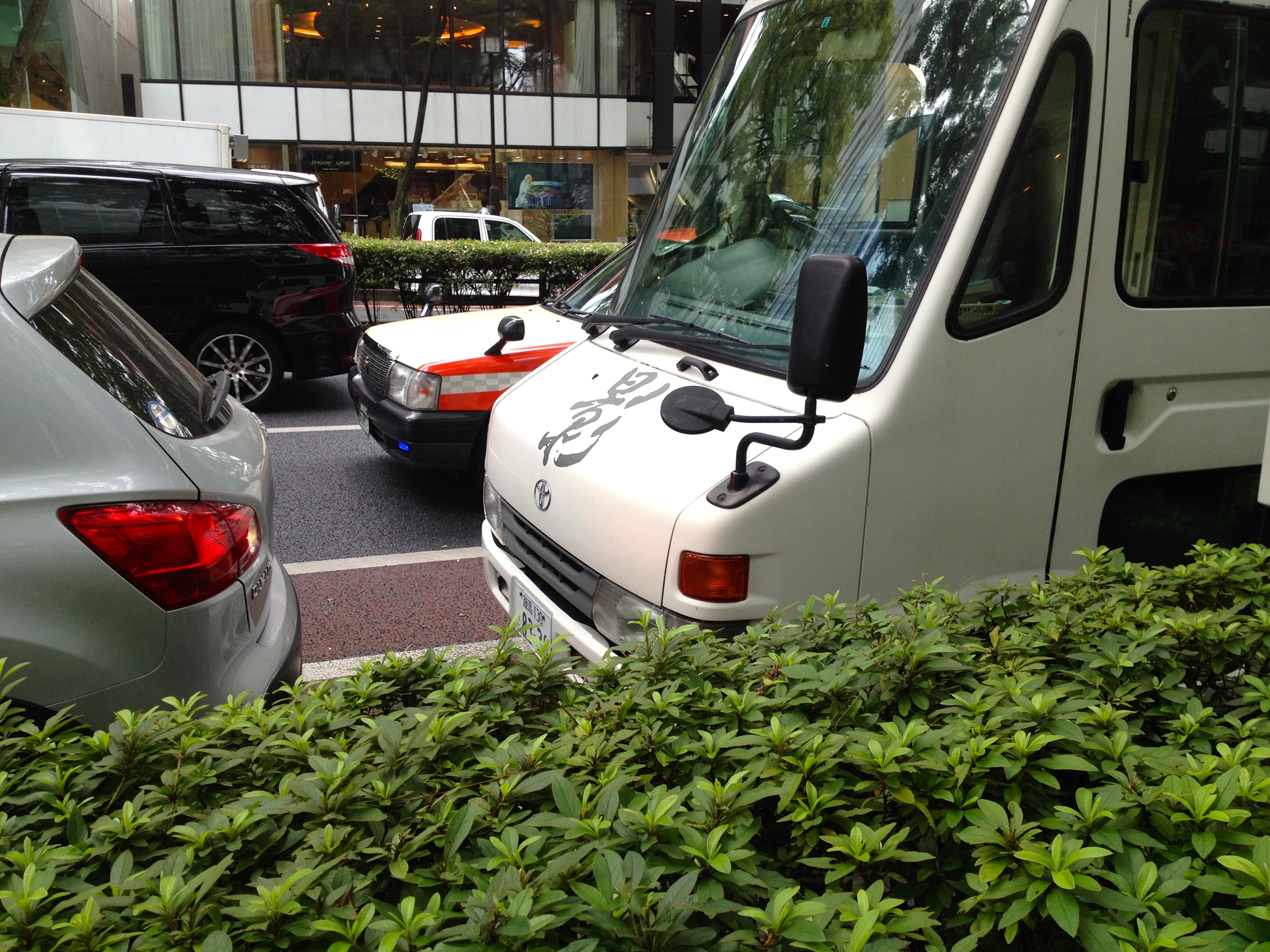
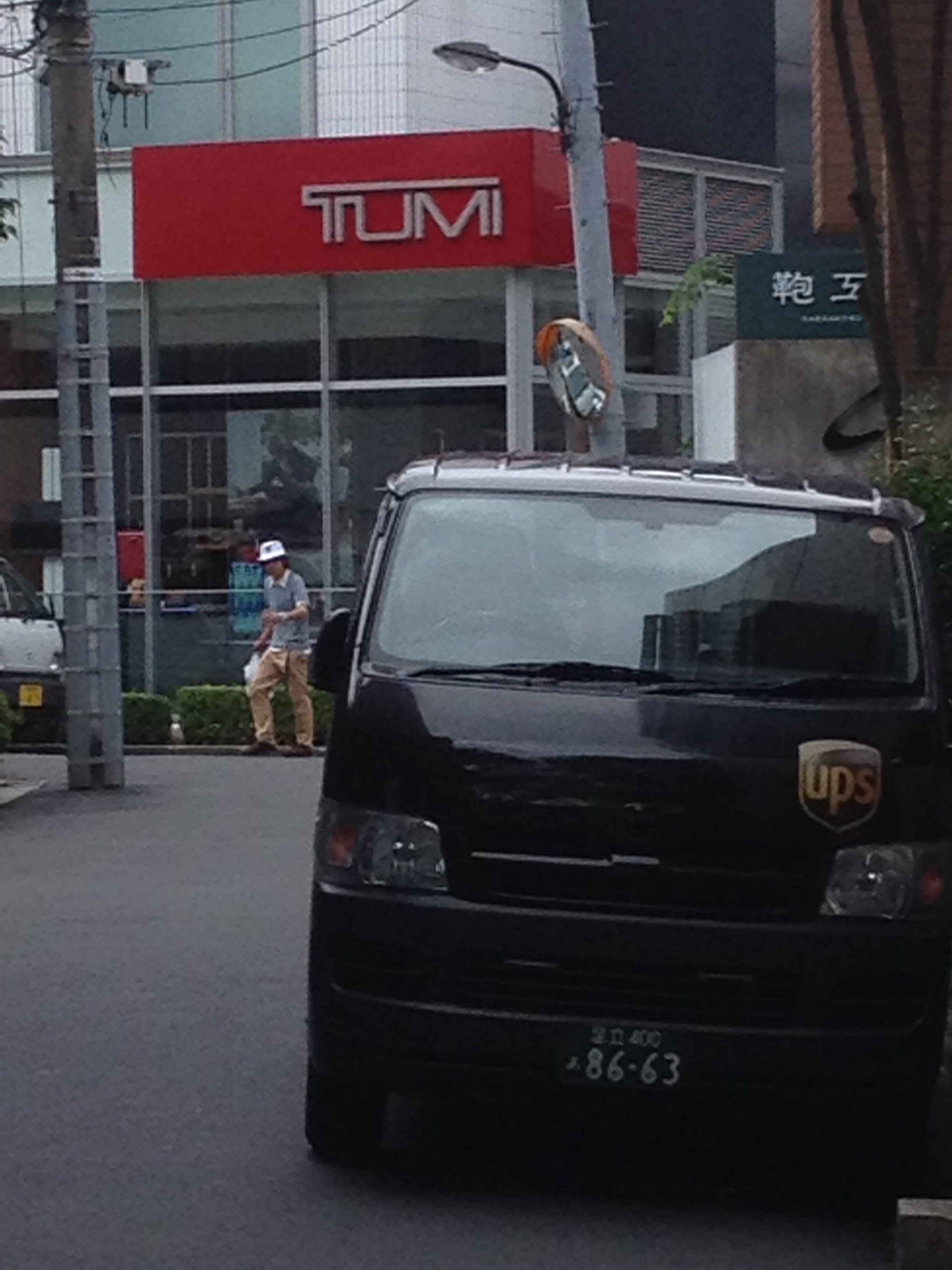
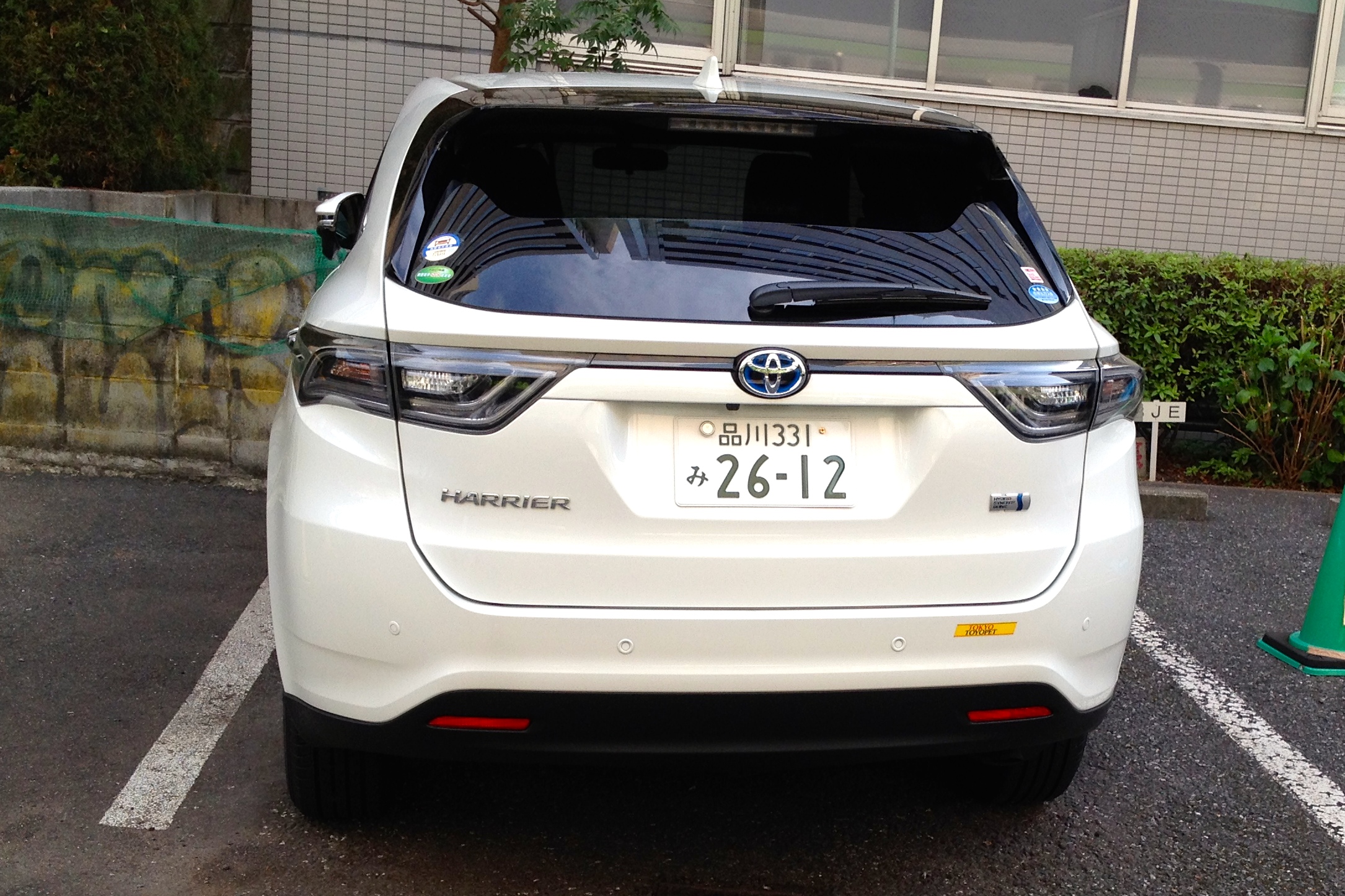
Alfa Romeo traffic UPD DeliveryIMG_0230

They have cars here that we don’t get in North America. Some are very cool Japanese concept cars that are hybrids or electrics; some that are extremely tiny and compact from international car makers; and some that are fancy versions of Toyotas that they don’t export. Apparently the Japanese car market is highly competitive and very specialized with high tariffs. Basically Japanese people like Japanese cars though there are growing numbers of number of luxury cars in wealthier areas. Apparently it is prestigious to own the usual suspects here as well: Mercedes, BMW, Jaguar, Alfa Romeo and Range Rover, though the patriotic stick to the luxury versions of Japanese brands that are not usually exported.

Driving here is a nightmare. It’s on the other side of the road, like the UK. I am almost run down at least once a day. The traffic is horrendous–I actually saw a woman READING whilst driving the other day. To be fair, she wasn’t moving very quickly. People also text while driving here too and I don’t think it is illegal. If it is, everyone does it and no one seems to care.

Lots of people ride bikes…especially mums with kids and older people. I haven’t been hit by a cyclist yet and I’m learning to look out for them. They don’t ring their bells that often…they probably think it’s rude. I have to say…it’s all pretty efficient, the transportation thing, considering the population of Canada lives in Tokyo. If we were staying longer, I’d get a bike. I certainly wouldn’t drive here. Ever. Even if I lived here.

Car = kuruma

Laundry by Susan

Laundry

Laundry is a little more old-style here. Not that I’m down by the river pounding it on a rock or anything…which wouldn’t work because the river is black, but it’s a lot more labour intensive. For starters, I can’t really understand the washing machine. I can wash a load in cold water and spin it dry. There are few dryers here as electricity is very costly. They have those fancy-dancy two-in-one models that apparently wash AND dry but we use the time-honoured air dry method. Which is fine if it’s sunny out but a bit more time-consuming if it rains. Also, we only have one bath towel each and one set of sheets so you need to make sure you have lots of time to dry everything. When I lived here 23 years ago and we dried laundry on the deck, white clothing rapidly turned grey from the pollution. I think I’m in a nicer neighbourhood now, in that there are no factories or trains in my backyard, (though we do have a garbage incinerator though it apparently only runs at night for a variety of reasons), but I think it’s also less polluted in some ways. You aren’t actually ALLOWED to smoke in the streets. They have these smoke pits in various spots–for sure outside the train stations–and, for the most part people actually use them. That being said, you can still smoke in a lot of the restaurants here.
Anyway, back to laundry. Long term cold water washing doesn’t seem to get stuff CLEAN, but I can’t read the machine and have no idea how to change it. Better call in the Japanese friends. Cold water wash does give me limited opportunities to ruin stuff though. To dry laundry they have all kinds of cool little clip hangers and poles, but what I really want is a stand up rack. They’re not so popular here for some reason, maybe because they blow over in the wind? Most people have bars that hang from their deck that they hook their handy-dandy clip hanger laundry things to (see photo on title page). People also do laundry here pretty much every day. Probably because it’s so frickin’ hot and their clothes get dirty fast. I air-dried a thick towel today on my deck in under an hour. Seriously. It was ridiculously hot. I’m feeling quite noble and environmentally friendly, though I think the fact that they burn my trash at night kind of cancels that out.

Please note that this article was in tribute to my good friend, Susan–the most environmentally friendly person I know who always air dries her laundry;-)

I live next to a…park for aspiring sumo wrestlers!

In the photo, the image on the far left is my house–the one with the expansive deck with the sliding doors is our room. This little park filled with Zen and bamboo and carved stones (maybe gravestones, not really sure) and a sumo ring is literally in my backyard. It’s an actual covered sumo ring with curtains and tassels, though you aren’t allowed to use it without permission, as well as kiddie playground stuff, contemplative paths and a public toilet.

If I had a million dollars….

Fashion_3 Fashion 2 Fashion_1Walked home from Omotesando station today and noticed yet again that I’m definitely out of my element in terms of fashion here…they’ve got ALL the top designers and more than one store within a 10 mile radius! There seems to be many sales right now. It’s funny, the word ‘SALE’ is often in English, French (soldes) and Italian (saldi) but never in Japanese…or maybe because I don’t know what it looks like in Japanese 😉

Anyway, it’s a shopper’s paradise here. Also a good place for a “basic” dresser such as myself (jeans and various black tops with boots in winter; beige shorts with various black tops and flip-flops in summer) to learn about fashion. I must say, it could be quite an addiction. I’ve always kept it simple and pretty inexpensive: a couple pairs of jeans that fit well, a pair of boots, my Prada flats (thanks to Misha for making me buy them–best investment ever), various tops, a purse and my flip-flops. It’s a little harder here. For one, people don’t wear flip-flops in public…they are regarded as ‘shower shoes’ or slippers and I would be mocked. People make an effort…hell most of the women wear stockings when it’s 35+ degrees here! I will never do that. In terms of fashion though, there is so much to see and covet. And I do see it every single day. It’s in my neighbourhood, not in some rarefied downtown area on streets I rarely go to. They have a _______ (fill in the blank–Prada, Chanel, Gucci, Balenciaga…) boutique in many of the department stores which are literally just down the road from me. This is NOT Sears or the Bay…more like a whole bunch of Holt Renfrews. I think I need to head out to the boonies to see what real people wear.

I’d like you all to know that I do try. I wear skirts and dresses. Makeup sometimes. No shorts in the city. Silk tops and even, dare I say it, colours besides black. Sometimes even a matching hat though I don’t have a Darth Vader visor (yet…be patient Lorna). No one to mock me but the child.